Cambridge High Impact Research Project
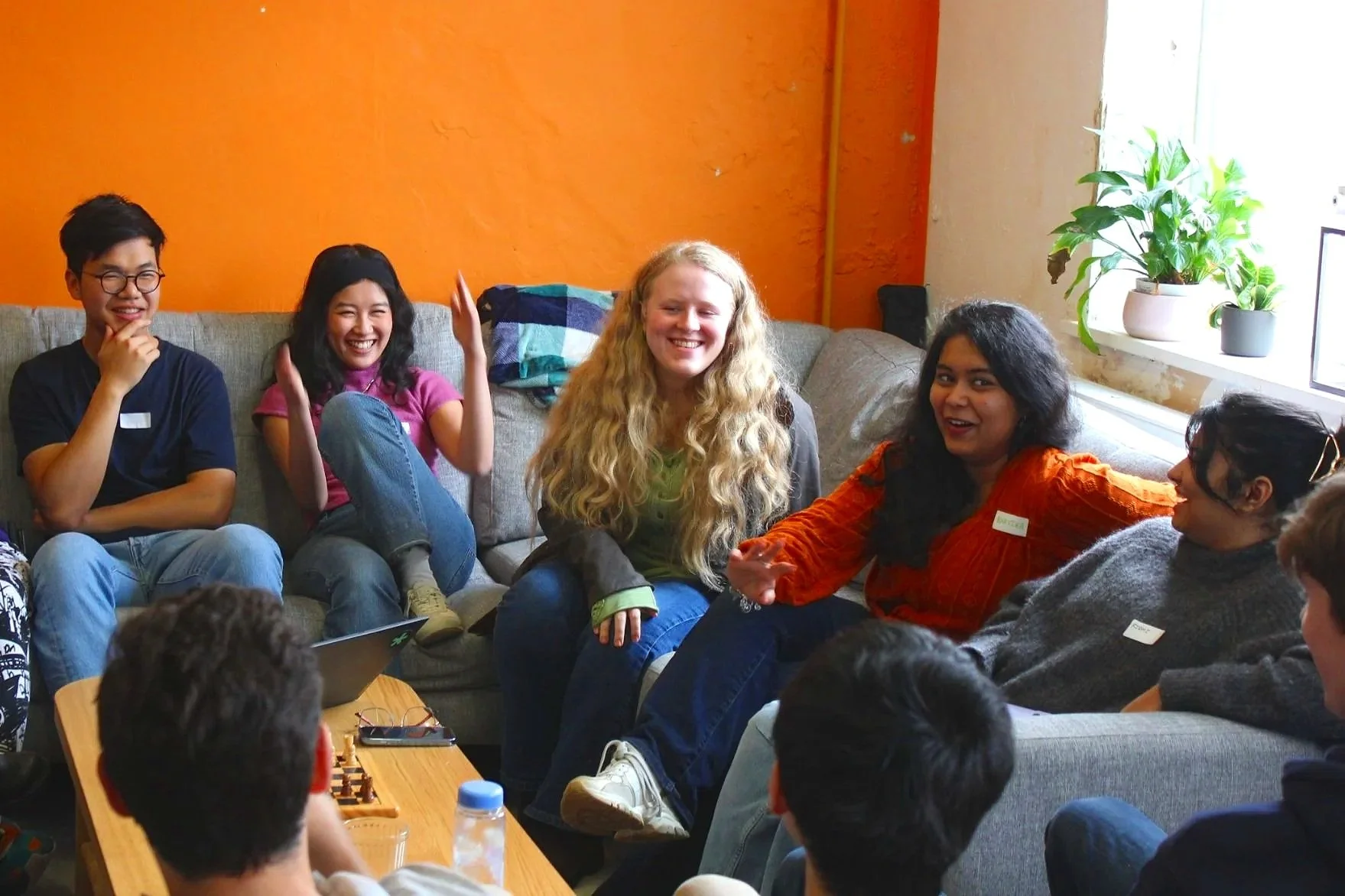
an 8-week programme helping talented students launch high-impact research careers.
The Cambridge High Impact Project (‘CHIRP’) is an 8 week mentored research program, focusing on 4 main cause areas we believe are Important, Neglected and Tractable.
These span across:
Biosecurity
Global Health and Development
Animal Welfare
Existential Risk
Over these 8 weeks you will be working with a word class mentor in these areas, with the aim to produce a 3000 word report on a research area agreed upon by you, your team and your mentor. The winning team will receive a £1000 cash prize.
Applications are due:
21 January, 2026 at 23:59.
Based in Harvard, London or Oxford? We recommend checking out:
-
Existential Risk
From climate change to nuclear warfare to unregulated emerging technologies, we may well be living in the most dangerous time for humanity yet. Our history is riddled with close shaves with extinction, with luck perhaps being the primary contributor to humanity’s continued existence. Research in the realm of existential risk could enable humanity to mitigate these risks and preserve humanity’s current and future potential for flourishing.
-
Biosecurity
The world remains vulnerable to future pandemics, made increasingly likely by advances in biotechnology and AI. To protect against these risks, researchers and policymakers must collaborate to develop robust systems for rapid vaccine deployment, treatments, and other interventions. Biosecurity efforts ensure humanity is better prepared to prevent, contain, and recover from catastrophic biological threats.
-
Global Health
Millions in low-income countries die each year from preventable diseases like malaria, HIV, and tuberculosis, while millions more endure chronic conditions that hinder their well-being. Global health research seeks to discover and implement cost-effective, scalable solutions to improve lives. By addressing health inequities, this work has the potential to create lasting, transformative changes for the world’s most vulnerable populations.
-
Animal Welfare
We kill an estimated 1.6 to 4.5 trillion animals annually, the vast majority of which (97.5%) endure inhumane conditions in factory farms. Research and advocacy in animal welfare aim to reduce this suffering by promoting higher welfare standards, developing alternatives to animal products, and raising public awareness. These efforts seek to reduce the suffering caused by factory farming and improve the lives of countless animals.
Timeline
Celebration Dinner
w/c 27th of April
Application Deadline
21st January, 2026 at 23:59
Decisions Announced
22nd January
Research Phase
26th January - 2nd March
Project Presentations
w/c 16th of March
Kick-Off Weekend
24 & 25 January
First Draft Deadline
2nd March at 23:59
Final Submission Deadline
24th March at 23:59
Become a mentor
We rely on great mentors to supervise our projects. If you have relevant research experience and are interested in mentoring in a future programme, we’d love to hear from you.
FAQs
What is CHIRP? The Cambridge High Impact Research Project is an 8-week intensive research programme where teams of 2-4 students work on policy-relevant research questions in existential risk, biosecurity, global health, or animal welfare. You'll receive weekly mentorship from domain experts and present your findings at the end.
Who can apply? Any Cambridge student—regardless of year, subject, or prior experience with effective altruism or research. We prefer applicants with research experience but encourage applications regardless. No background in EA is required. Graduate students and visiting students from any department or college are eligible.
What's the time commitment? Expect 6-10 hours per week: weekly team meetings (1-2 hours), mentor check-ins (30-60 minutes), and independent research time. There's also a mandatory kick-off weekend on January 24th and a closing ceremony in Week 8.
How do teams work? Teams of 2-4 students are formed during the kick-off weekend based on project preferences indicated in the application form. You'll work collaboratively throughout the programme. Applications are submitted individually; you can request to be paired with a specific person and we'll try to accommodate this.
What mentorship will I receive? Each team gets a dedicated mentor with domain expertise who meets with you weekly. Current mentors include Dr SJ Beard (CSER), George Bridgwater (Animal Ask), and Adrian Worrall (Royal College of Psychiatrists). You'll also have access to research managers for methodological support.
What's the deliverable? A 3000-word policy brief that builds on a literature review. The emphasis is on evaluation and recommendations—not just describing the field, but making a substantive argument about it.
Are there prizes? Yes! There is a cash prize of £1000 for the winning team. We’ll also have £1000 split across prizes for the best individual, and best presentation
What happens after CHIRP? Strong projects can be extended beyond the 8 weeks and presented at academic conferences (like the European Biosafety Association conference) or published with partner organisations. You'll receive invitations to EA conferences, career chats, and regional retreats. Past participants have reported increased ability to be hired for full-time roles.
Do I need to know about effective altruism to apply? No. CHIRP is designed as an entry point for people new to EA. You'll learn EA principles through the kick-off presentation and ongoing conversations with your team and mentor.
Can I apply to both programs? Yes, you're welcome to apply to both CHIRP and Project-Based Fellowship! However, you can only participate in one program this term due to the time commitments involved.
If you're accepted to both, we recommend joining CHIRP since it offers more intensive support (expert mentors, prize money, and deeper research training). If you're accepted to PBF but not CHIRP, PBF is a great way to explore impactful careers - and you could always apply to CHIRP in a future term if you want to go deeper into research.
We encourage applying to both if you're interested in either - it gives you the best chance of joining a program this term!
How do I apply? Complete the application form (link to application) with 4 x 200-word answers. We may request an interview for CHIRP applicants as a next step.
What if I miss the kick-off weekend? Let us know in the form and we may be able to accommodate by sending you resources you missed and arranging a separate time to meet your team. For more information on the kickoff weekend, see here